Topic
Understanding Civics
Explore how government, public institutions, community participation, and civic responsibility shape everyday life. This page introduces the core ideas that help people engage thoughtfully in democracy.
Overview
Why Civics Matters
Civics helps people understand how decisions are made, what rights and responsibilities they hold, and how communities can work toward fairer outcomes. It turns abstract systems into practical knowledge for daily life.
Know the system
Learn how local, state, and national institutions function, and how policies affect schools, work, housing, and public life.
Take part
Build confidence in voting, advocacy, public dialogue, and community action through clear, accessible explanations.
Core ideas
Key Civic Concepts
A strong foundation in civics starts with a few essential ideas. These concepts help visitors connect institutions, participation, and public life in meaningful ways.
Government and power
Understand how branches of government, checks and balances, and public authority are structured and limited.
Rights and freedoms
Examine civil liberties, equal protection, and the ongoing work of protecting rights for all people.
Participation and voting
See how elections, organizing, and civic engagement give communities a voice in public decisions.
Media and public discourse
Learn why media literacy, evidence, and respectful debate matter in a healthy civic culture.
In practice
How Civics Shows Up
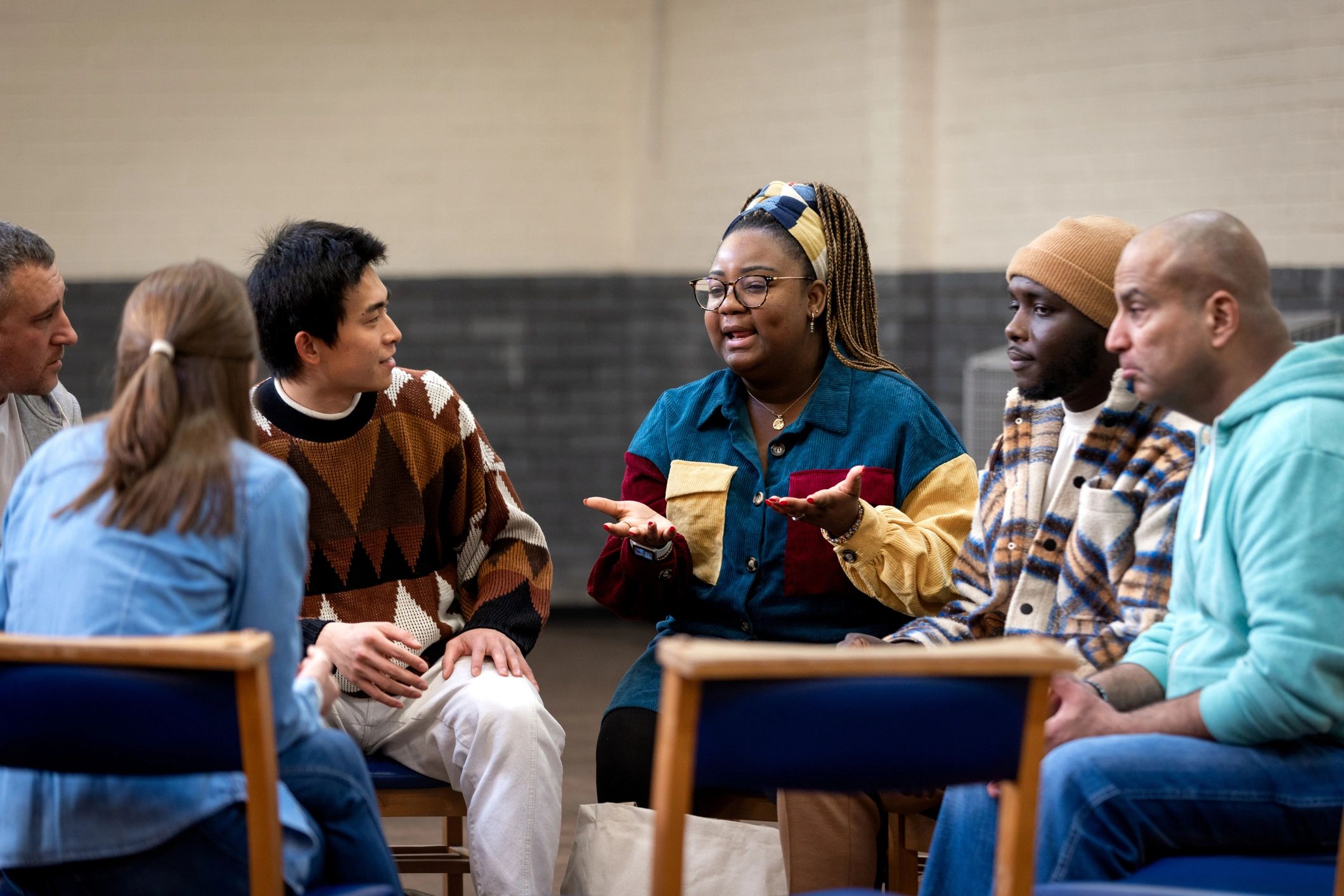
Civics is not only about textbooks. It appears in classrooms, neighborhoods, and public conversations where people learn to listen, question, and participate.